

An urge to prioritize public safety over financial gain.
LATEST STORIES
Lakeshore Blvd, Toronto
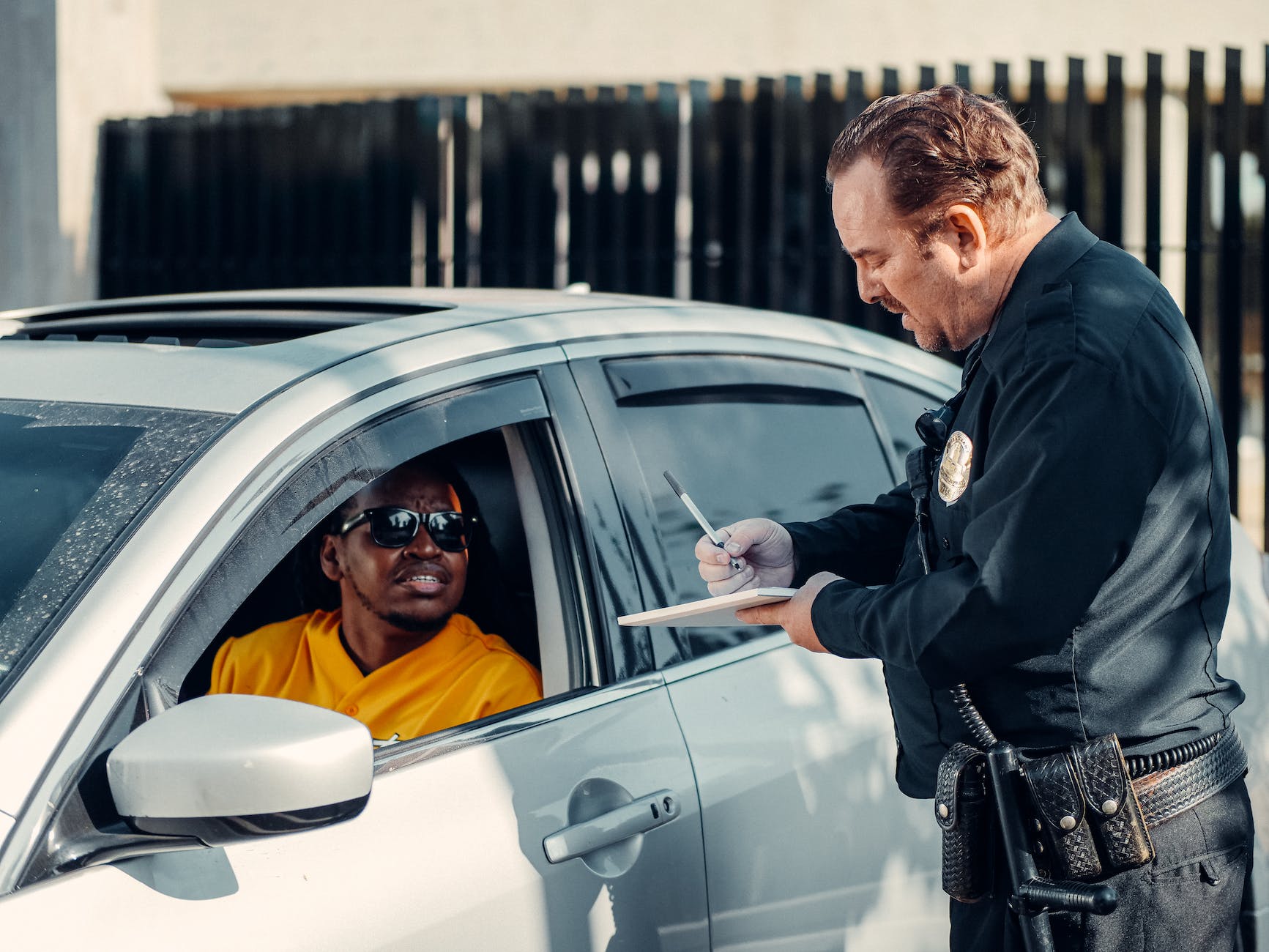
Standing in a packed Toronto provincial courtroom filled with anxious plaintiffs, lawyers, police officers, paralegals, court officials and a stoic judge, the jarring details of the complainants’ alleged moving violations echoed aloud. One by one, each complainant described in detail their ordeals of alleged offences as a pensive judge adjudicated and admonished officers and complainants alike.
The most jarring detail came from complainant Michael Blackwood, a retiree and father of two, accused of speeding and running a red light. Mr. Blackwood recalled his July 10th encounter by saying, “ Your Honour, while travelling along Lakeshore Blvd and Thirty-first Street in South Etobicoke, I was pulled over between Twenty-four and Twenty-five street in front of Humber College. Confident I hadn’t breached any traffic violation, I inquired from the office when approached if everything was okay.
To which the office replied rhetorically, “Do you know why I pulled you over”?
“No,” I respond, “I haven’t the faintest idea.”
The officer, later identified as Officer French, asked: “Do you know how fast you were travelling?”
“Where are you coming from?”
“Whose car is this”?
Concerned about the line of questioning, I asked, “Is there a reason why you are pulling me over?”.
“Speeding and running a red light”, growled Officer French. “You were travelling 80 in a 60-kilometre zone along Lakeshore Blvd and Long Branch”, It took me three blocks just to catch up to your vehicle.”
I scoffed, “Are you for real! My speedometer shows me travelling 55 kilometres.
And where did I run the light?”
“Sir! yelled Officer French. “May I have your driver’s license and proof of insurance?.
“There are approximately four traffic lights between Browns Line and Twenty-five Street where the stop occurred. I happened to catch three of these red lights. How fast were you travelling? That it took you three blocks to catch up to my vehicle with little to no traffic on the road?” I protested.
Unsure what to say, Officer French cited the two ticket violations and issued fines totalling $470.
“I’ve heard enough,” replied the judge. “Officer French, what do you have to say for yourself”?
As mentioned in the report, Your Honour, I was at Lakeshore Blvd and Long Branch when I saw a white Land Rover travelling westbound on Lakeshore Blvd at a high rate of speed. That’s when I decided to pursue the vehicle.”
“I am going to stop you there,” admonished the judge. “How could you tell the speed at which Mr. Blackwood was travelling? No mention of a radar gun or any other device in your report, yet, you issued a ticket for 20 kilometres over the speed limit, am I missing something here?”
“And to Mr. Blackwood’s point, how fast, … let’s rephrase that, at what speed were you travelling that it took you three blocks to catch up with his vehicle?
“I am not sure, Your Honour,” replied Officer French.
“ Officer French, I’ve been doing this for a long time, scoffed the Judge. Maybe before you were born, I can’t in good conscience accept your version of the event regarding these violations. And for that reason, I am dismissing this case”.
When asked about the verdict, Mr. Blackwood replied, “I’ve been driving for over 55 years and not once have I gotten a speeding ticket, much less run a red light. This is preposterous – is the city so strapped for cash that it has to send its goons to shake down residents?”.
Unfortunately, this is not an isolated incident. False ticket violations are prevalent in cities throughout Ontario. Mr. Blackwood’s encounter underscores the surge in false speeding tickets and other moving violations issued post-COVID-19. Mr. Blackwood’s sentiment is shared by countless motorists in cities throughout Ontario, as a growing number of Ontarians believe ticketing is a cash grab, a way of generating revenue. In 2021, the city of Toronto collected $90.2 million in fines and tickets. And in 2022, the city collected nearly $103 million in parking tag fines, over $12 million up from around $90 million in 2021.
King Street, Oshawa
On September 20, at approximately 7:44 am, while travelling north on Melrose St to Kings St in Oshawa. I was pulled over by an officer on King St East. The officer, later identified as Officer Dunlop, alleged I was travelling 76 kilometres in a 50-kilometre zone.
“My radar clocked you at Keewatin Rd exceeding the speed limit”, he asserted.
In a desperate attempt to justify the alleged violation, Officer Dunlop insisted I was speeding along King St at Keewatin Rd. Defying all logic, Melrose St is one street west of Keewatin Rd and east of Harmony Rd. Furthermore, the early morning commute along Kings St made it difficult to speed, let alone facilitate the merge from Melrose St to Kings St.
“How’s that possible?” I replied. “Knowing full well, you saw me merge onto Kings St from Melrose St.
“May I have your driver’s license and proof of registration?” demanded Officer Dunlop.
Promptly returning to his patrolled vehicle, Officer Dunlop later emerged with a moving violation ticket for $122.50 and insisted I sign my registration slip to avoid another fine.
To challenge the ticket’s integrity, an online application was submitted via www.paytickets.ca.durham as instructed. Having waited twenty days without a reply, the Durham Region Traffic Court was contacted. The court advised to resubmit an application via durham.ca/Provincial-Offences/TrialRequest for a trial date. As of this article, no trial date has been set, nor have I received a reply.
Is ticketing a cash grab or overzealous motorists’ pervasive disregard for the Highway Traffic Act? Tickets have become a contentious issue, with some arguing that they are a necessary evil to keep the roads safe. In contrast, others believe they are a cash grab or a way for overzealous motorists to get their kicks. This article aims to ignite a dialogue on ethical traffic enforcement, urging cities to prioritize public safety over financial gain.

False Ticketing
In the wake of COVID-19, major cities throughout Canada grappled with economic recovery as billions of dollars in unpaid taxes, user fees, permits and transferred provincial and federal funding were either deferred, cancelled or postponed. Forced to make budgetary cuts or cancel essential services, cities deployed various tax measures to meet financial obligations, including increased surveillance technologies, which can now be seen everywhere post-COVID-19. Unfortunately, some cities resorted to questionable practices to recoup lost tax revenues by deploying aggressive police vigilance on the roadways. “Ticketing: Cash Grab or Overzealous Motorists” reveals a disturbing surge in false speeding tickets, minor offences and parking infractions issued by police officers, raising concerns about the role of ticketing as a revenue-generation tool.
With over 54,000 speeding tickets issued primarily along two main arteries in Toronto within two months, studies show close to four percent of all tickets issued are contested based on integrity. When extrapolated, this shows an astonishing 32,000 questionable tickets per year. This number grows exponentially when factoring in the countless roadways and main arteries throughout the Greater Toronto Area.
According to one source from X-Cops paralegal services, who wishes to remain anonymous, “Ticketing serves two primary purposes, one to generate revenue and the other to deter reoccurrence. However, cities rely more on the former than the latter”.
The Highway Traffic Act of Ontario stated, “In 2022, there were over 1.3 million speeding tickets issued by officers in Ontario. This represents about 75% of all speeding tickets issued that year, with 400,000 speeding tickets issued by speeding cameras in Ontario during the same time. This represents about 25% of all speeding tickets issued that year. Of these numbers, approximately 40,000 speeding tickets were contested during the same period due to the tickets’ veracity”.
These inaccuracies have far-reaching consequences on the population. Unjust speeding tickets not only burden citizens with financial strain but also tarnish driving records, leading to increased insurance costs. Conversely, challenging these tickets presents significant hassle, inconvenience and costly delays. The implicit connection between the proliferation of tickets and revenue recovery poses a critical challenge to the public’s trust in law enforcement.
“Ticketing isn’t designed to be contested,” added the anonymous source from X-Cops paralegal services. “When an officer issues a ticket for excessive speeding, they generally reduce the fine to allow for a settlement so that the fine will be paid rather than contested. Hence, the uptick in ticketing post-COVID-19, more tickets, means more money”.
Subscribe
Sign up for a weekly newsletter with the latest blog posts and exclusive content. In your inbox every Tuesday!
Citations for Disclaimer:
https://www.narcity.com/toronto/toronto-is-getting-25-new-speed-cameras-heres-where-you-could-get-dinged-next
https://www.statcan.gc.ca/Statistics Canada. (2023).
https://www.statcan.gc.ca/Statistics Canada. (2023).

